

Loading
Just a moment while this page opens.
Just a moment while this page opens.
Just a moment while this page opens.
Christchurch, Ōtautahi in te reo Māori: work, study, the visas that let you live there, and free help after you arrive.
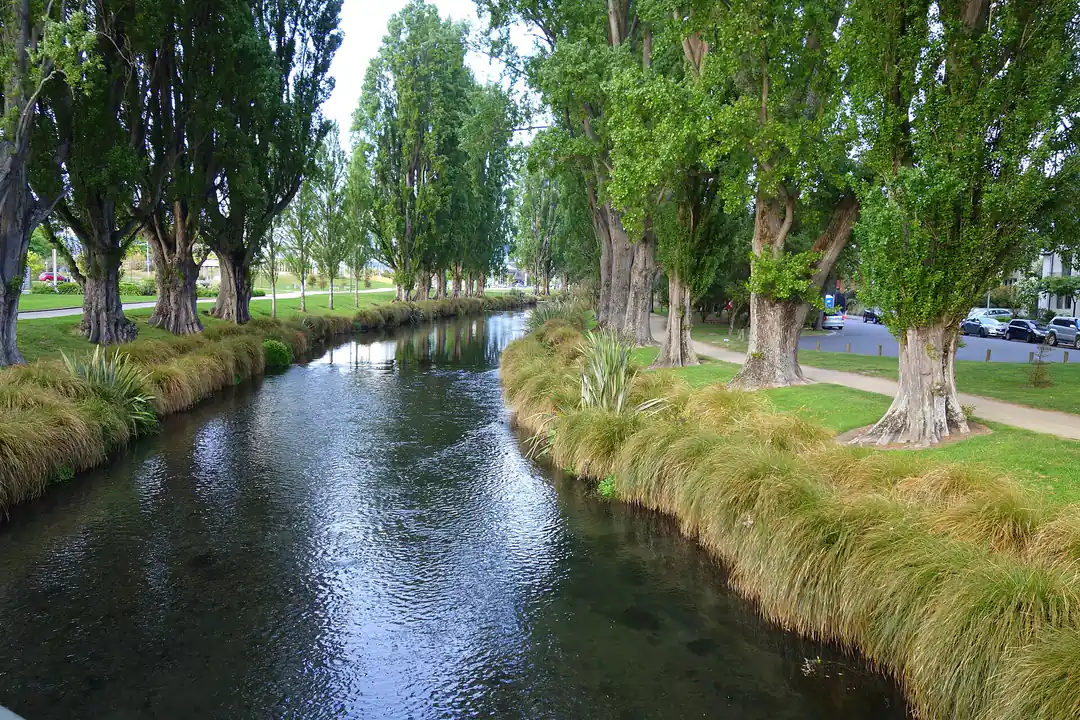
Christchurch City Council often writes the city's name as Ōtautahi Christchurch, putting its name in te reo Māori, the Māori language, first. The vision in the council's multicultural strategy describes Ōtautahi Christchurch as an inclusive, multicultural and multilingual city.
After the 2010 and 2011 earthquakes, the central city went through a long rebuild. The council's Newsline records that Tūranga, the new central library, opened on 12 October 2018, and that the Parakiore Recreation and Sport Centre was officially opened on 17 December 2025.
Your visa still comes from the national system. Immigration New Zealand (INZ), which decides visa applications, has no visa for Christchurch alone, so settling here takes a New Zealand visa that fits your plans plus a job or a study place in the city. On the skilled work routes, the job offer comes first.
Christchurch is in the Canterbury region, and its council is Christchurch City Council.
419,200 people, as Stats NZ estimates for 2025.
The public universities, polytechnics and wānanga (tertiary institutions that teach in a Māori cultural context) with a campus in Christchurch:
Christchurch City Council takes part in Welcoming Communities, a government programme that helps councils support newcomers.
ChristchurchNZ, a council-controlled organisation that calls itself the city's economic development agency, lists Christchurch's growth sectors as health technology (healthtech), aerospace and future transport, clean technology (cleantech), the bioeconomy and the Antarctic gateway. For the bioeconomy, it points to the meat and dairy products, plant-based products, seafood and wine that the wider Canterbury region produces. ChristchurchNZ's page on the gateway to Antarctica says the city hosts Antarctica New Zealand, the government's Antarctic agency, along with a number of international partners.
Both skilled routes in the visa section rely on an accredited employer, a business INZ has approved to hire workers from overseas. To check a company that has offered you work, search INZ's accredited employer list by the business's name or its New Zealand Business Number (NZBN), the 13-digit number that identifies it. There is one search box and no filter for city or region, so the list cannot tell you which accredited employers are in Christchurch. INZ updates it daily.
Public tertiary institutions with a campus in the city include:
Tenancy Services builds its market rent tool from bond records (a bond is the money a tenant pays at the start of a tenancy): each monthly update covers the previous 6 months, leaving out the latest month. Look up a suburb before you agree to a weekly rent.
Greater Christchurch's public buses and ferry services run under the Metro name. Environment Canterbury, the regional council, plans and tenders those services and publishes information such as timetables, while Christchurch City Council provides and maintains bus exchanges, stops and shelters. Environment Canterbury also handles environmental regulation and helps communities prepare for natural hazards.
Christchurch City Council's Welcoming Communities team works to help newcomers, including migrants, former refugees and international students, feel more welcomed, connected and valued in their communities.
If you are bringing children, INZ's page on setting up your life in New Zealand leads to its guidance on early childhood education, schools and tertiary study, including how to choose a school; that advice applies wherever in New Zealand you settle.
Answer our free questionnaire and get a free summary of your eligibility for every New Zealand pathway we assess, including those in Christchurch. The full report is a later choice, never a condition.
Start the free questionnaire