

Loading
Just a moment while this page opens.
Just a moment while this page opens.
Just a moment while this page opens.
Tauranga, Tauranga Moana in te reo Māori: work, study, the visas that let you live there, and free help after you arrive.
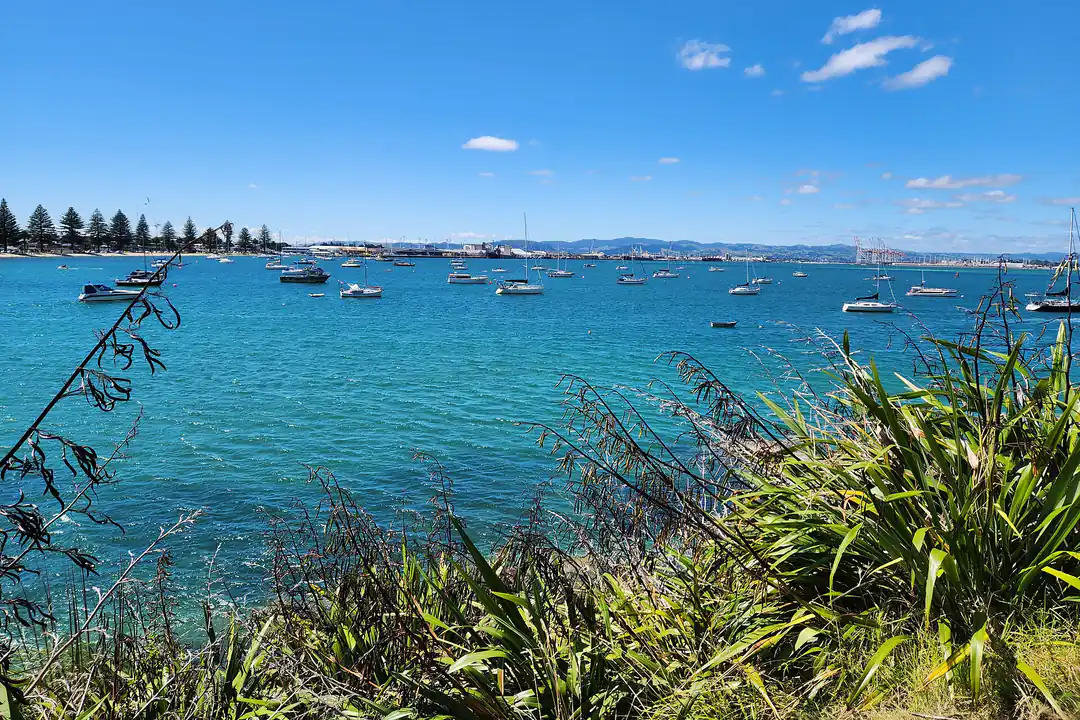
Photo: Panamitsu(opens in a new tab), CC BY-SA 4.0(opens in a new tab), cropped
The Bay of Plenty Regional Council explains that the name Tauranga means "landing place". In te reo Māori, the Māori language, Tauranga City Council's pages call the place Tauranga Moana, for example when describing Te Ara Whānui, an app about the history, language, customs and significant sites of Tauranga Moana.
No visa is issued for Tauranga in particular. Immigration New Zealand (INZ), which decides visa applications, runs one national system, so building a life here means holding a New Zealand visa and a job or a place to study in Tauranga. For skilled visas such as the Skilled Migrant Category (SMC) and the Accredited Employer Work Visa (AEWV), a job or job offer from an approved employer is part of what you apply with, so the job comes first.
Tauranga is in the Bay of Plenty region, and its council is Tauranga City Council.
161,000 people, as Stats NZ estimates for 2025.
The public universities, polytechnics and wānanga (tertiary institutions that teach in a Māori cultural context) with a campus in Tauranga:
Tauranga City Council takes part in Welcoming Communities, a government programme that helps councils support newcomers.
The regional council's page on Tauranga Harbour says commercial activity there revolves around the Port of Tauranga, whose wharves are at Sulphur Point and Mount Maunganui. Logs, cement, grain, steel, vehicles, dairy products and kiwifruit all pass through the port. The same page says the land that drains into the harbour is used extensively for towns, horticulture (growing fruit and vegetables) and farming, and that the climate suits kiwifruit and avocados. INZ says the AEWV cannot be used for planting, maintaining, harvesting or packing crops in horticulture or viticulture (grape growing), so those jobs need a different work visa.
Whether the job is at the port or in an office, the SMC and the AEWV both need an accredited employer, meaning an employer with INZ approval to hire people from overseas. The accredited employer list offers only a keyword search, for the business's name or its New Zealand Business Number (NZBN), with no way to filter by city. It can confirm an employer you name, but it cannot find employers in Tauranga for you. INZ updates the list daily, and some accredited employers choose not to be published, so if a business is missing, ask it directly.
The city has a university campus, a polytechnic (a public, job-focused institute) and a wānanga (a public tertiary institution that teaches in a Māori cultural context):
Type at least three letters of a suburb's name into Tenancy Services' market rent tool to see typical weekly rents there for apartments, flats, houses and rooms.
The Bay of Plenty Regional Council, also known as Toi Moana, plans, co-funds and delivers public transport. Its Baybus network includes Bayhopper buses in the Western and Eastern Bay, and Baybus has timetables, routes and a journey planner. For people who find regular buses hard to use, the council subsidises taxis through the Total Mobility Scheme.
On its Welcoming Communities page, Tauranga City Council says it is committed to seeing migrants settled and integrated successfully into their new lives in the Bay. The page explains that Welcoming Communities is a programme led by INZ that works by welcoming newcomers into the local community. The council offers a resource guide for new arrivals to Tauranga and the Western Bay, and lists local services, including free English classes for residents from English Language Partners and an interpreting service.
For steps that do not depend on the city, from getting health care and finding a doctor to understanding Māori culture and the Treaty of Waitangi, see Setting up your life in New Zealand on INZ's website.
Answer our free questionnaire and get a free summary of your eligibility for every New Zealand pathway we assess, including those in Tauranga. The full report is a later choice, never a condition.
Start the free questionnaire