

Loading
Just a moment while this page opens.
Just a moment while this page opens.
Just a moment while this page opens.
Can you move to New Zealand as a dentist? Registration, the Green List, work visas and residence for this job, and your first steps, from official pages.
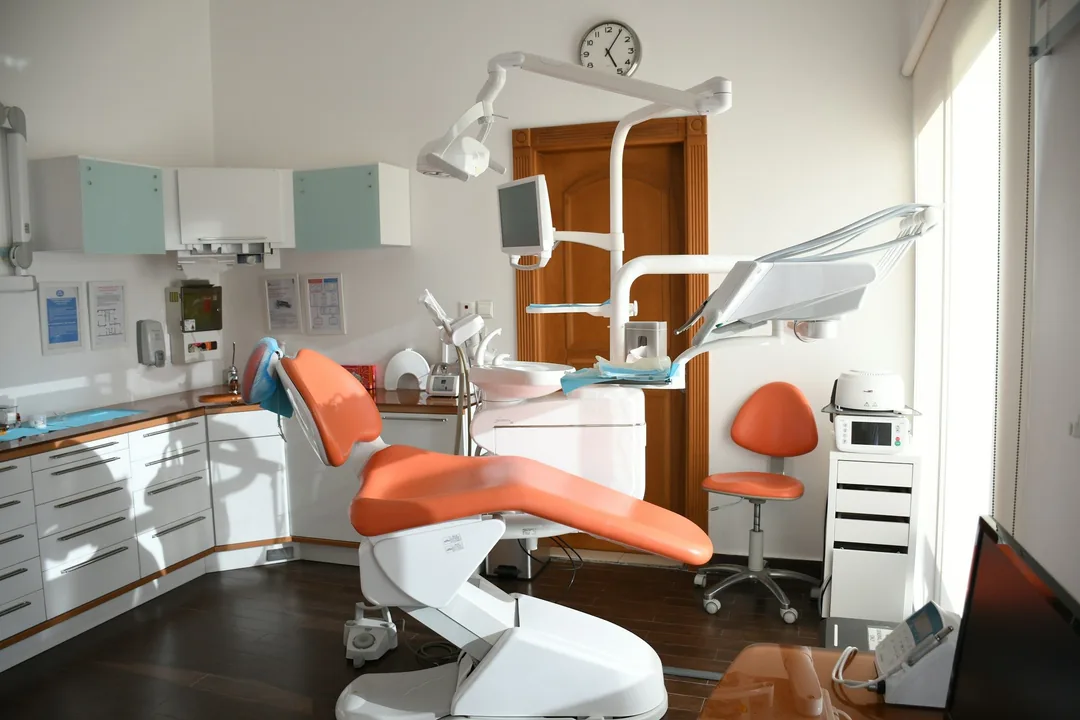
Yes. Two bodies are involved, and each decides something different. Immigration New Zealand (INZ), the government's immigration agency, issues visas. The Dental Council of New Zealand registers dentists, and INZ lists dentist as a job that needs registration, which you must get before you apply for a visa to work in it. If your degree is not a prescribed qualification, meaning one that has passed an accreditation process the Council recognises, one way in is an exam called the New Zealand Dentist Registration Examination (NZDREX). The Council says NZDREX is done through the National Dental Examining Board of Canada: passing that Canadian board's Equivalency Process is what gives you NZDREX. Once registered, you may practise lawfully only while you hold a current annual practising certificate from the Council.
Stats NZ sorts jobs with the National Occupation List (NOL). Each code has a skill level, which says how much training the job usually needs.
Skill level 1: jobs that usually need a bachelor's degree or higher, or at least 5 years of relevant experience
The Green List names roles New Zealand needs workers for. If your role is listed and you have the qualifications, registration or experience it requires, you may be able to apply for a residence visa straight away (Tier 1) or after 2 years of working in New Zealand (Tier 2).
Registration body: Dental Council of New Zealand. You must be registered with it to work in this job in New Zealand.
The Council registers dentists who are fit for registration and competent, and who hold a prescribed qualification or one assessed as equivalent. Its list of prescribed qualifications for dentists covers the University of Otago's dental degrees, accredited programmes in Australia, the UK, Ireland (graduates from 2022 on), Canada and the USA, and a dental degree combined with a pass in Australia's ADC licensing exams or in US licensing exams that include a hands-on clinical assessment.
Without a prescribed qualification, you choose between an exam and an assessment:
The Council's approved English tests are IELTS Academic, with at least 7 in each band, and OET, with A or B grades in all four components, and a pass stays valid for two years. Some people meet the rule without a test, for example if English is their first language and they trained as dentists in Australia, the UK, the USA, Ireland or Canada, taught and assessed only in English.
On INZ's Green List of roles New Zealand needs workers for, the dentist entry can lead to residence immediately: with Dental Council registration and the other requirements met, you can apply for the Straight to Residence Visa from inside or outside New Zealand. It is a resident visa, so you can stay indefinitely, and after holding it for 2 years in a row you can apply for a Permanent Resident Visa, which lets you travel in and out of New Zealand indefinitely. You need to be 55 or younger, with a full-time job or job offer at an accredited employer that meets INZ's pay and length rules. Our Green List guide has more.
INZ accredits the employers that may hire migrants, and your job offer from one of them comes first. The Accredited Employer Work Visa (AEWV) needs an offer of at least 30 hours a week for a role INZ has approved the employer to fill with a migrant (its job check), and for dentistry you show your full or provisional registration, or the Council's confirmation that the job is eligible for registration. See our AEWV guide.
The Skilled Migrant Category (SMC) is a residence visa that also rests on a job or job offer with an accredited employer: you file an expression of interest describing how you meet the requirements, and INZ may invite you to apply. Its points-based route needs 6 points. Dental Council registration as a dentist is worth 5, and a year of skilled work in New Zealand after registration adds the sixth. Our SMC guide and points calculator show the combinations.
No. NDEB's website also describes its certification exams, and the Council says those are needed only if you want to be certified to practise in Canada. For New Zealand, the Equivalency Process exams alone make up NZDREX. NDEB schedules AFK sittings for Australia and New Zealand as well as for Canada, and you need a pass in the AFK before you can move on to the ACJ and then the NDECC. The NDECC has two components, clinical skills and situational judgement, and NDEB says that if you fail only one, you repeat just that one. After you pass all three, you apply to the Council online, starting with its registration pathway self-assessment tool, which directs you to the right form.
Yes, through Trans-Tasman mutual recognition, a law under which Australia and New Zealand treat each other's registration standards as equal. You apply online with certified documents, and from the day the Council receives your complete application you are deemed registered and may practise, subject to any conditions on your Australian registration. The Council then has one month to grant, postpone or refuse registration, and it can postpone for up to six months. It may add conditions like those on your Australian registration, or ones needed to make the two registrations equivalent. If it refuses you, it refunds your practising certificate fee and explains your right to appeal to the Trans-Tasman Occupations Tribunal. This registration is not a visa; INZ decides that separately.
Sitting the exams before checking that you are fit for registration. The Council strongly suggests reading its fitness requirements before starting NZDREX, because it will not register someone it does not consider fit, even after they pass the NDEB assessments. Under New Zealand's health practitioner law, the grounds include not speaking and understanding English well enough to protect the public, a conviction punishable by three months or more in prison that reflects badly on your fitness to practise, and disciplinary proceedings that do the same.
Answer our free questionnaire, which asks about your work, and get a free summary of your eligibility for every New Zealand pathway we assess. The full report is a later choice, never a condition.
Start the free questionnaire