

Loading
Just a moment while this page opens.
Just a moment while this page opens.
Just a moment while this page opens.
Can you move to New Zealand as an engineer? Registration, the Green List, work visas and residence for this job, and your first steps, from official pages.
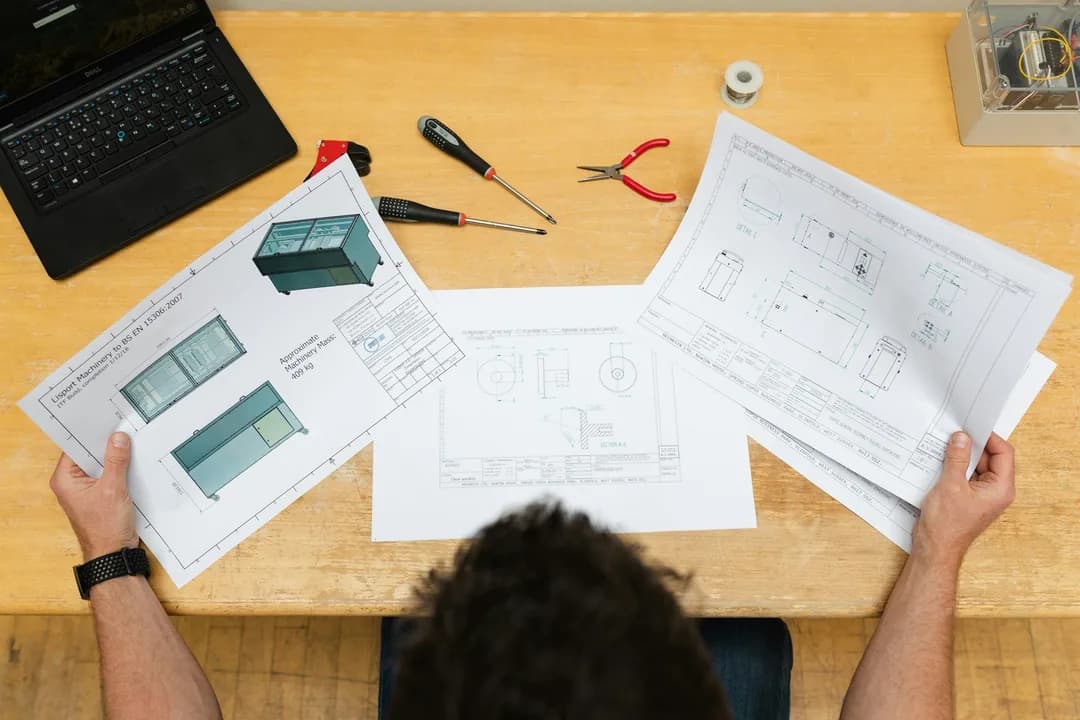
Engineers can move to New Zealand, where registration works differently. Engineering New Zealand, the body that registers Chartered Professional Engineers, says it is different from some other countries: you don't have to be registered to work as an engineer, although some job types require it. The permission you must have is a visa from Immigration New Zealand (INZ), the government's immigration agency, and INZ's own check lists engineers as a job where registration is not required. Engineers can choose to register as a Chartered Professional Engineer (CPEng), a mark of competence whose title is protected. For the visas below, the first thing you need is a job offer from an accredited employer. This page covers what all engineering fields share, then the ones without a page of their own.
Stats NZ sorts jobs with the National Occupation List (NOL). Each code has a skill level, which says how much training the job usually needs.
Skill level 1: jobs that usually need a bachelor's degree or higher, or at least 5 years of relevant experience
Skill level 1: jobs that usually need a bachelor's degree or higher, or at least 5 years of relevant experience
The Green List names roles New Zealand needs workers for. If your role is listed and you have the qualifications, registration or experience it requires, you may be able to apply for a residence visa straight away (Tier 1) or after 2 years of working in New Zealand (Tier 2).
Registration body: Engineering New Zealand. Registration with it is voluntary for this job in New Zealand.
Not for most engineering jobs, though the Registration Authority says many authorities and employers require registration before an engineer can sign off certain work. Engineering New Zealand is the Registration Authority for Chartered Professional Engineers, with the aim of improving public safety. The Registration Authority describes a CPEng as an experienced engineer assessed as meeting a quality mark of competence, who must be reassessed at least every six years, and says sign-off on building work is typically limited to Chartered Professional Engineers.
To be eligible you need a Washington Accord-accredited qualification or equivalent knowledge (in New Zealand, an accredited four-year Bachelor of Engineering with Honours), followed by a competence assessment showing you work on complex engineering problems. The Registration Authority says it usually takes four to six years to gain enough experience to be ready, and Engineering New Zealand adds that you must show New Zealand-specific knowledge.
The first step toward CPEng is Engineering New Zealand's credential check, which compares your qualifications with the Washington, Sydney and Dublin Accords, the international agreements on engineering education. A Washington Accord result meets the benchmark to apply for CPEng; a Sydney Accord result leads toward Chartered Member (Engineering Technologist), and a Dublin Accord result toward Chartered Member (Engineering Technician). The check looks at your education only, not your skill or experience, and INZ may ask for the letter it produces.
INZ's Green List names roles New Zealand needs workers for, with each role's own requirements. For the engineering roles on it, including those below, the list means residence straight away, and it asks for one of: a Washington Accord-accredited engineering degree; a Bachelor of Engineering with Honours at level 8 of New Zealand's qualifications framework; a qualification at level 7 or higher on that framework (the level of a bachelor's degree) with an Engineering New Zealand letter confirming the CPEng benchmark; or CPEng registration. With a full-time job or offer from an accredited employer at the pay INZ sets, you can then apply for a Straight to Residence Visa if you also meet its other rules, such as being 55 or younger and speaking English. The visa lets you live, work and study in New Zealand indefinitely. Our Green List guide explains the list.
INZ also says engineering degrees accredited under the Washington Accord, and engineering technology degrees under the Sydney Accord, need no International Qualification Assessment, the qualification check most overseas qualifications require, if your country had signed when the degree was awarded.
To start on a work visa instead, you need a full-time job offer for the Accredited Employer Work Visa (AEWV) from an employer that INZ has accredited, meaning approved to hire migrants. INZ must also clear that employer to fill your specific role with a migrant (its job check), and the employer then sends you the link to apply. See our AEWV guide.
Another way to residence is the Skilled Migrant Category (SMC): INZ lets people with a job or offer from an accredited employer register their interest (an expression of interest) and may then invite them to apply. Its points route needs 6 points, and INZ lists CPEng registration at 6 points, the full amount. Our SMC guide and points calculator cover other ways to 6.
The Green List roles named below all carry the requirements above, unless a different licence is mentioned.
Tahatū, the Tertiary Education Commission's careers site, says chemical engineers design, develop and test plant equipment and processes for products such as petrol, plastics and detergents. The Green List role is Chemical Engineer.
The Green List keeps Industrial Engineer and Production or Plant Engineer as separate roles. Tahatū says manufacturing engineers design manufacturing systems, equipment and processes, and may need Engineering New Zealand membership or CPEng.
This field appears on the Green List as Materials Engineer. There is no role titled metallurgical engineer, so compare your duties with the materials role.
Geotechnical Engineer is a Green List role of its own, beside Civil Engineer and Structural Engineer. The civil engineer page covers the building and dam work where CPEng matters.
The Green List has aeronautical engineer roles for aerospace, aviation and avionics work. Aircraft maintenance engineer roles are different jobs, which require a New Zealand Aircraft Maintenance Licence from the Civil Aviation Authority, and Tahatū notes that aerospace engineers may also need licensing or certification from that authority.
Electronics Engineer is a Green List role. INZ's registration check lists electrical engineers as needing registration with the Electrical Workers Registration Board, so compare your duties with the electrical engineer page.
Tahatū says environmental engineers research, assess and manage the impact of human activity on the environment, and develop ways to dispose of waste and hazards and to cut pollution. The Green List role is Environmental Engineer.
Mechatronics Engineer is on the Green List. Tahatū describes mechatronics engineers as combining mechanical, electrical and electronic systems, lists robotics engineer and automation engineer among the job's other names, and says you may need a licence from the Electrical Workers Registration Board.
Naval Architect, Marine Designer, Acoustic Engineer and Product Design Engineer are Green List roles too. Marine engineer certificates from Maritime New Zealand are a separate maritime certification, which INZ's registration list scores for SMC points.
These fields have their own pages, with the registrations and routes that apply to each: civil engineer, mechanical engineer and electrical engineer. If you write software, see the software engineer page.
Putting your move on hold until you are CPEng. INZ's check shows no registration requirement for engineers, and the Green List accepts a Washington Accord degree or an Engineering New Zealand benchmark letter in place of CPEng. CPEng itself asks you to demonstrate New Zealand-specific technical experience, so treat it as a goal for your years in New Zealand, not a first step.
Answer our free questionnaire, which asks about your work, and get a free summary of your eligibility for every New Zealand pathway we assess. The full report is a later choice, never a condition.
Start the free questionnaire