

Loading
Just a moment while this page opens.
Just a moment while this page opens.
Just a moment while this page opens.
Can you move to Canada as a paramedic? Getting licensed, the immigration routes that fit this job, and your first steps, from official pages.
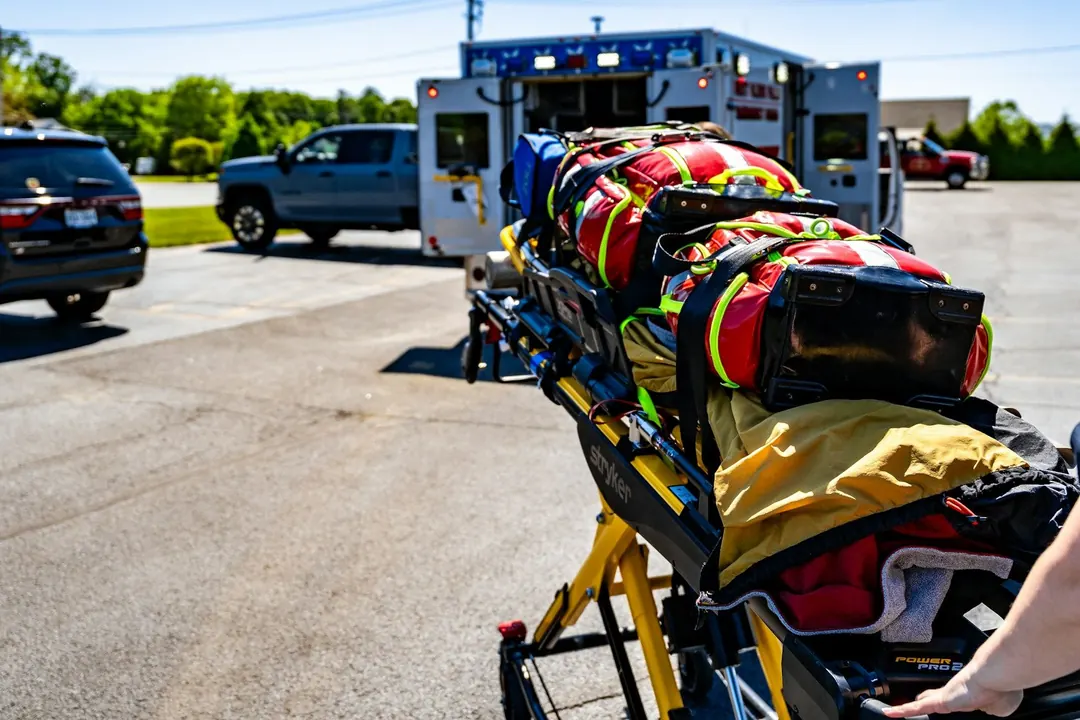
Moving to Canada as a paramedic is possible, but two different authorities are involved. Immigration status, such as permanent residence (PR, the right to live in Canada permanently), comes from Immigration, Refugees and Citizenship Canada (IRCC), the federal immigration department. The right to work as a paramedic comes from the province where you will work, and Job Bank, the federal jobs site, says licensing by a regulatory body is required in all provinces. For paramedics, even the type of licensing body changes from one province to the next. Job Bank's list shows colleges of paramedics in provinces such as Alberta, Saskatchewan, Manitoba and Nova Scotia, while in Ontario, British Columbia and Quebec the licensing body is part of the provincial government. It also says the steps to get a licence differ in each province or territory, and that you need to contact the regulator where you want to work to learn what to do.
Canada sorts jobs with the National Occupational Classification (NOC). Immigration programs use it to identify your job and its TEER level, which says how much training the job usually needs.
TEER 2: jobs that usually need a college diploma or apprenticeship training of 2 years or more, and supervisory jobs
Express Entry is the online system Canada uses to invite skilled workers to apply for permanent residence. Some of its rounds invite only people with recent work experience in a set group of jobs, called a category. This job is in:
In Canada, you need a licence to work in this job, from the regulator of the province or territory where you plan to work.
Job Bank says paramedics need a one- to three-year college, hospital-based or other recognized paramedical program, and that anyone driving an emergency vehicle needs the right class of driver's licence. Each province then runs its own process for people trained abroad. For example:
Express Entry is IRCC's online system for immigration applications from skilled workers. You fill in a profile, it gets a points score, and in each round IRCC invites the highest-ranking candidates eligible for it. Our Express Entry guide explains the steps.
IRCC's list for its healthcare rounds includes paramedical occupations, the occupation group Job Bank uses for paramedics. To be counted in those rounds, you need at least 12 months of full-time work (or the same amount part-time) in that one occupation within the past three years, in Canada or abroad, and you must still meet the minimum rules for Express Entry. Our guide to category rounds explains what these rounds are.
Provinces can also nominate people for PR, as our provincial nominee guide explains. These provincial routes list paramedics:
Alberta's Dedicated Health Care Pathway, by contrast, lists physicians, nurses and several other health professions, but not paramedics.
Not automatically: in each province above, the regulator places you at one of its own levels. B.C. asks for the protocols, clinical practice guidelines or scope of practice you are authorized to use where you work now, then tells you which licence you are eligible for and which exams you need, and it can require exams or training to cover any gaps it finds. Ontario compares you with its PCP program first, and critical care training from elsewhere is not part of its equivalency review. Alberta's COPR assessment works at the PCP and ACP levels. Titles differ too: Job Bank's list shows Saskatchewan's college registering emergency medical responders and technicians as well as primary, intermediate, advanced and critical care paramedics.
Letting your registration at home lapse before you apply. B.C.'s board says international applicants must be registered or licensed as an emergency medical assistant (EMA) or equivalent in another country, and it does not accept transfers based only on training, employment or exams. It also expects you to be in good standing wherever you have held a licence. In Alberta, the order matters as well: the COPR assessment must be completed before you begin registering with the College. Keep your current licence active until a Canadian regulator has decided on your application.
Answer our free questionnaire, which asks about your work, and get a free summary of your eligibility for every Canada pathway we assess. The full report is a later choice, never a condition.
Start the free questionnaire