

Loading
Just a moment while this page opens.
Just a moment while this page opens.
Just a moment while this page opens.
Can you move to Canada as a social worker? Getting licensed, the immigration routes that fit this job, and your first steps, from official pages.
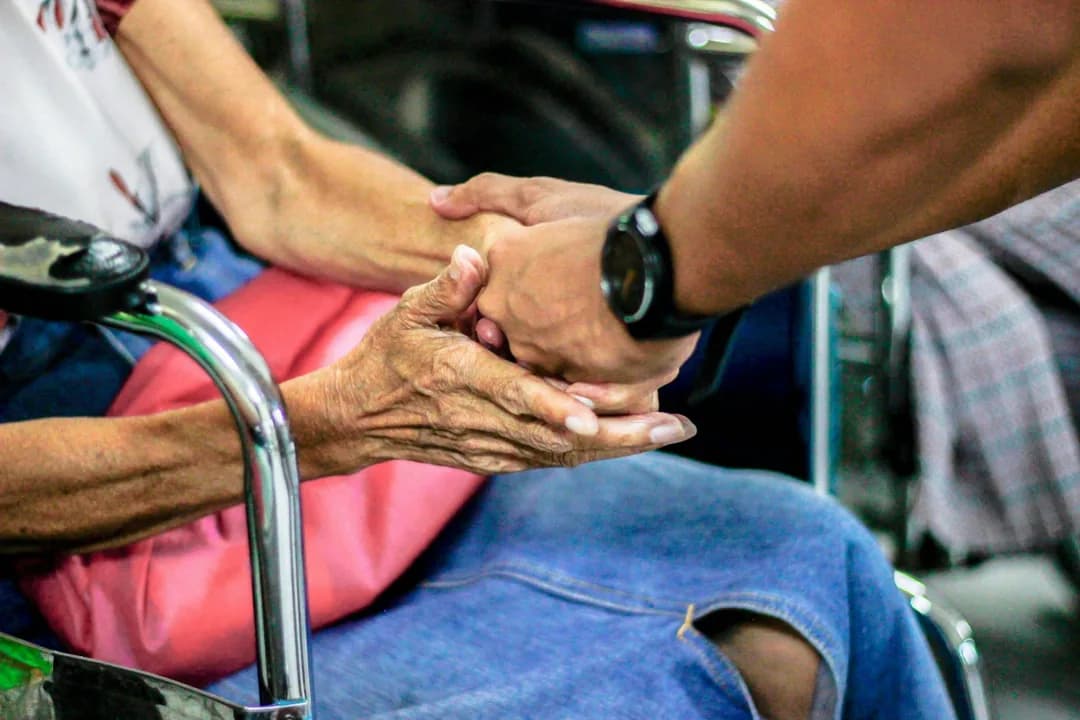
You can move to Canada as a social worker, and you will find the title itself protected: Job Bank, the federal jobs site, says use of the titles Social Worker and Registered Social Worker is regulated in all provinces. Two authorities decide your move. Whether you may live in Canada, for instance as a permanent resident (PR, with the right to stay in Canada permanently), is decided by Immigration, Refugees and Citizenship Canada (IRCC), the federal immigration department. A provincial body, often a college of social workers, decides whether you may practise, and Job Bank says registration with one is mandatory to practise in most provinces, among them Ontario, Alberta and British Columbia. In Ontario the two steps even depend on each other, as a section below explains.
Canada sorts jobs with the National Occupational Classification (NOC). Immigration programs use it to identify your job and its TEER level, which says how much training the job usually needs.
TEER 1: jobs that usually need a university degree
Express Entry is the online system Canada uses to invite skilled workers to apply for permanent residence. Some of its rounds invite only people with recent work experience in a set group of jobs, called a category. This job is in:
Whether you need a licence for this job depends on the province or territory: some require one, others do not.
Job Bank says a bachelor's degree in social work is required in most provinces and in the Northwest Territories and Nunavut, while Alberta accepts a bachelor's degree or a diploma in social work. Supervised practical experience is usually required, and some provinces may set written and oral exams. The bigger difference is who checks a degree earned abroad:
English rules vary too. Ontario's college accepts tests including IELTS General, CELPIP General and PTE Core, at 7 in each skill (for PTE Core, level 7 on the Canadian Language Benchmarks), taken within two years before you apply; all three also appear on IRCC's Express Entry list. BC's college exempts some applicants, such as those who studied social work in English in a country where English is the main language, and otherwise accepts results from a single test sitting only.
Express Entry is IRCC's online system for the Canadian Experience Class, the Federal Skilled Worker Program and the Federal Skilled Trades Program. Candidates get a Comprehensive Ranking System (CRS) score, and IRCC invites those ranked highest to apply for PR, as our Express Entry guide explains.
Some rounds invite only people in a category of jobs, and social workers are on IRCC's list for its healthcare and social services rounds. What that changes: in those rounds your score is compared only with other candidates who fit the category. To fit, you need at least 12 months of full-time work in one listed job within the past three years, or the same amount part-time, in Canada or abroad, and you must be eligible for an Express Entry program. Our guide to category rounds has more.
Provinces and territories choose some immigrants as well, nominating them under their own requirements; see our provincial nominee guide. Routes that list social workers include:
No. Alberta's pathway names clinical social workers, with ACSW as their regulator, not social workers in general. Clinical social worker is an advanced designation that ACSW grants through its clinical practice enhancement. To apply, you need, among other things, a Master of Social Work from an accredited program ACSW recognizes, at least three years of clinical experience after it, good standing as a registered social worker in Alberta, and at least two years on ACSW's general register or a similar register elsewhere. The route includes at least 100 hours of clinical supervision. If you already hold a registered or licensed clinical social worker credential from a Canadian province or a US state, held for at least two years and with the clinical licensing exam passed, you can ask to transfer it instead. For the pathway's non-Express Entry option, Alberta asks clinical social workers for language evidence at Canadian Language Benchmark (CLB) 5 in every skill: the language exam taken for licensure, or an official test the Alberta program accepts.
No. Ontario's college registers only Canadian citizens, permanent residents and people authorized under Canada's immigration law, who must send a copy of a valid work or study permit, and it strongly advises starting the application after IRCC has issued that permit. The permit must also allow you to work without restrictions: one that bars you from working in health services does not meet the requirement. The college also asks for a police check: a vulnerable sector check from your local police if you live in Canada, or a certified criminal record check from the Royal Canadian Mounted Police (RCMP) if you live abroad. What you can arrange first is the CASW evaluation, which the college lists as a step before you start its application.
Ordering a general credential report for immigration and expecting a social work college to accept it. IRCC says an educational credential assessment (ECA) for Express Entry may help in a job search but does not promise a licence in a regulated job. Ontario's college goes further: for its Social Work Graduate stream, it will not take a report from World Education Services or ICAS in place of the CASW evaluation, because those services confirm a degree's level but not its social work content. Alberta also asks for the CASW assessment, while British Columbia wants a general evaluator's report plus its own portfolio. Check what your regulator names before paying for any assessment.
Answer our free questionnaire, which asks about your work, and get a free summary of your eligibility for every Canada pathway we assess. The full report is a later choice, never a condition.
Start the free questionnaire